

Blockbuster in 2007: When the Options Were Still Open
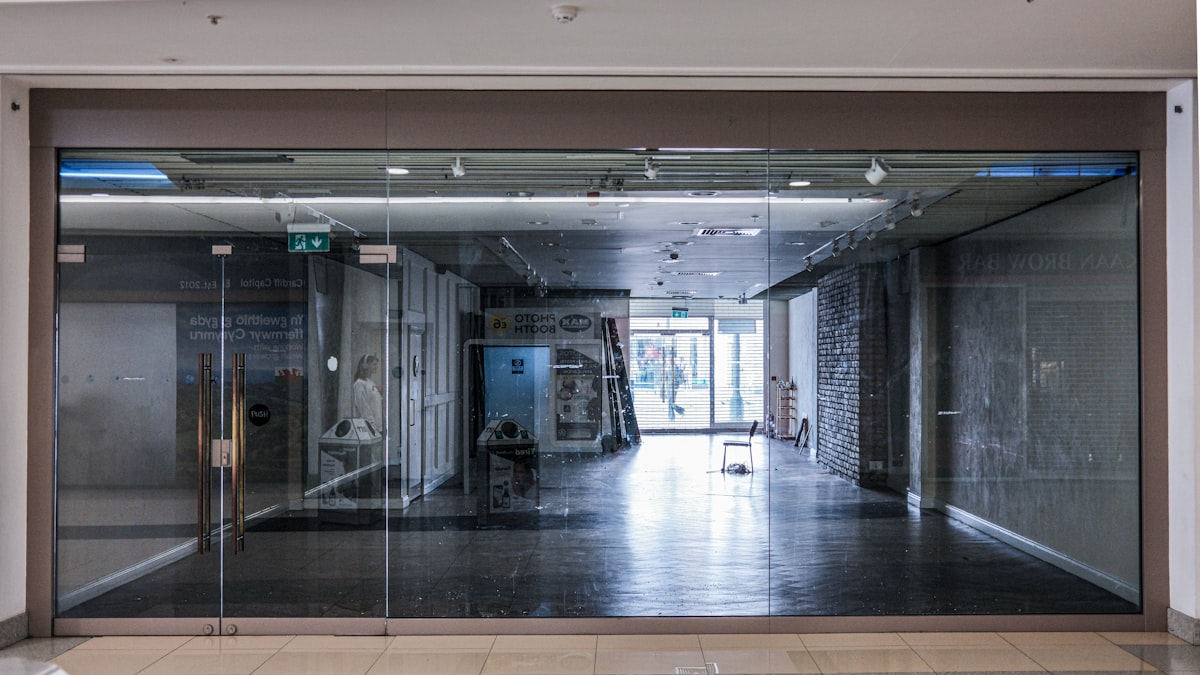
The moment: A competitor is doing something new. The threat is visible, but not yet decisive. The options to respond are real. The window to use them is closing faster than it appears.
What was happening
In 2007, Blockbuster was not yet a cautionary tale. It was still a business.
The company had 8,000 locations and $5 billion in revenue. It had launched its own online DVD subscription service, Blockbuster Total Access, which was outperforming Netflix on several metrics. Total Access allowed customers to return online rentals to physical stores, an advantage Netflix couldn't match. For a period in 2006 and 2007, Blockbuster was actually gaining ground.
Then the board forced out CEO John Antioco, who had engineered the Total Access strategy, and replaced him with Jim Keyes. Keyes, in a widely cited 2008 interview, said he didn't see Netflix or Apple as significant threats. He refocused the company on the physical retail experience.
By 2010, Blockbuster filed for bankruptcy.
The tension at the center
The open-window moment is one of the most painful in business to examine in retrospect, precisely because the options were real. This was not a situation where the outcome was determined before the decisions were made. The options were available. They were chosen against.
The specific structure of Blockbuster's moment in 2007 was a conflict between two logics that couldn't coexist inside the same organization. The Total Access strategy was working competitively, attracting and retaining subscribers. But it was expensive, and the expenses showed up in the financials before the competitive gains showed up in the stock price. The board read the financials. They replaced the person executing the strategy with someone who believed the physical business was still the core asset.
That belief wasn't irrational in isolation. Physical retail still generated significant revenue in 2007. The stores were a real asset. The question was whether they were an asset that was appreciating or depreciating, and the board answered that question in a way that subsequent years made look wrong.
What made the moment particularly consequential was the speed at which the window closed. The shift from "Blockbuster is competing effectively" to "Blockbuster is in bankruptcy" took roughly three years. In a company with $5 billion in revenue, three years feels like a long time. In terms of the decisions that determined the outcome, it was almost no time at all.
What the moment demanded
The open-window moment demands the capacity to hold a financial loss in service of a strategic position, and to do so for long enough that the strategy can produce results before the numbers produce panic.
Blockbuster's board couldn't do this. Total Access was losing money per transaction. That was visible in the quarterly reports. What wasn't visible in the quarterly reports was what Blockbuster's market position would look like in 2010 if they abandoned the strategy. Quarterly reports don't show future scenarios. They show current performance.
This is the core difficulty of the open-window moment: the cost of the right strategy is immediate and measurable. The cost of the wrong strategy is deferred and speculative. Boards and executives oriented toward current performance will almost always choose the strategy that looks better in the near term, unless they have a framework for reasoning about the deferred cost.
The moment also demanded a clear-eyed read on what the physical store network actually was. Was it an asset that could be leveraged in the transition to a new model? Or was it a liability consuming capital that needed to go elsewhere? Keyes believed it was an asset. Hastings had already concluded it wasn't one he needed.
Who is in this moment
You may be in a version of this moment if:
- A competitor is doing something new in your market and you have a response available, but executing it would require accepting short-term losses that make the financials look worse before they look better
- Your board, investors, or partners are reading the current performance numbers and drawing conclusions that feel correct in the short term but wrong over the horizon you're actually planning against
- You've made an investment in a new direction and the pressure to abandon it is arriving before the results have had time to materialize
- You're weighing an acquisition, partnership, or strategic move that would be expensive now but would significantly change your competitive position, and the hesitation is primarily financial rather than strategic
The Blockbuster story is often told as a failure of imagination. The leaders didn't see the future coming. That's not quite right. The Total Access strategy showed that at least some of Blockbuster's leadership saw exactly what was coming. The failure was something harder to solve than imagination: it was the inability to hold a loss long enough to find out if the strategy worked.
What happened
Blockbuster filed for bankruptcy in September 2010. Its remaining assets were acquired by Dish Network in 2011. There is one Blockbuster location still operating, in Bend, Oregon, now run as something between a business and a museum.
Netflix's market capitalization exceeded $300 billion in subsequent years.
The 2007 moment, and the decisions made then, determined everything that followed. That's not hindsight. It was visible in the structure of the situation to anyone willing to read it.

Frequently Asked Questions?
Was Blockbuster really competing with Netflix in 2007?
Yes. Blockbuster Total Access, launched in 2006, allowed customers to return online DVD rentals to physical stores, an advantage Netflix couldn't match. For a period in 2006 and early 2007, Blockbuster was gaining subscribers and outperforming Netflix on several metrics. The company was not yet losing when the key decisions were made.
Why did Blockbuster fail if they had a working competitive strategy?
The board replaced CEO John Antioco, who had engineered the Total Access strategy, with Jim Keyes in 2007. Keyes refocused the company on the physical retail experience. Total Access had been losing money per transaction, and the board read the financials rather than the competitive trajectory. The strategy was abandoned before it had time to produce the outcome it was designed for.
What is the open-window moment?
The open-window moment describes a situation where a competitor is doing something new, the threat is visible but not yet decisive, and the options to respond are real. The defining characteristic is that the window to act closes faster than it appears. Blockbuster's shift from "competing effectively" to "in bankruptcy" took roughly three years, which feels long but is almost no time in terms of the decisions that determined it.
Could Blockbuster have survived?
The evidence suggests yes, at least in modified form. Total Access was working competitively. The physical store network was a real asset that could have been leveraged differently. The scenario where Blockbuster survives as a hybrid model isn't implausible. What foreclosed it was a specific decision: the CEO change and the strategic reversal, made at a specific moment when the options were still available.
What made it so hard for Blockbuster's board to hold the Total Access strategy?
The cost of the right strategy was immediate and measurable: Total Access was losing money per transaction, visible in quarterly reports. The cost of abandoning the strategy was deferred and speculative: what Blockbuster's market position would look like in 2010 without it wasn't something that showed up in any report. Boards and executives oriented toward current performance almost always choose the strategy that looks better in the near term.
What does the Blockbuster story mean for a small business owner?
The pattern applies whenever you're holding a strategic investment that isn't yet showing positive returns, and the pressure to abandon it arrives before the results have had time to materialize. The Blockbuster question isn't about video stores. It's about whether you can distinguish between a strategy that isn't working and a strategy that hasn't worked yet, and hold the loss long enough to find out which one you have.